
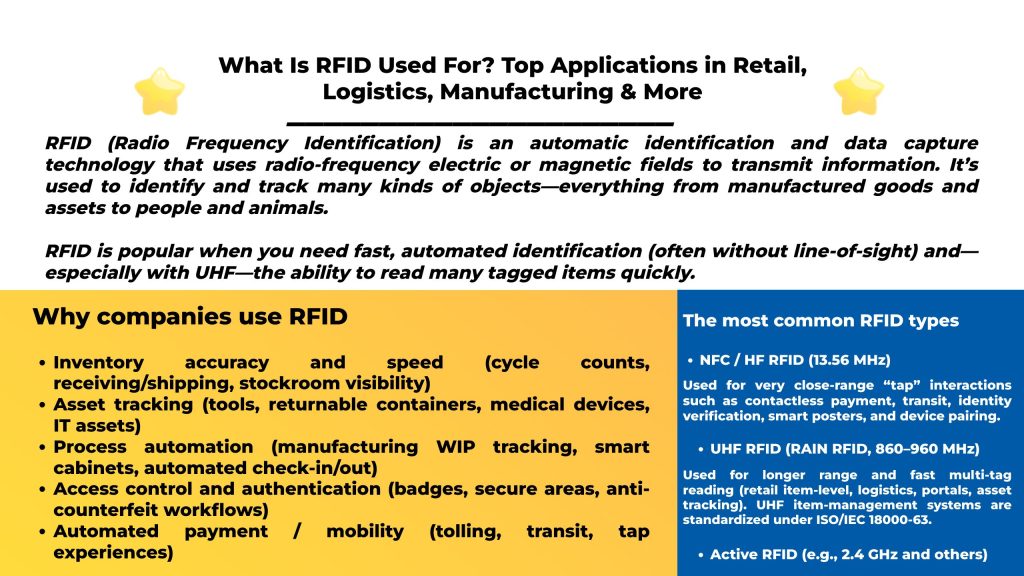
RFID (Radio Frequency Identification) is an automatic identification and data capture technology that uses radio-frequency electric or magnetic fields to transmit information. It’s used to identify and track many kinds of objects—everything from manufactured goods and assets to people and animals.
RFID is popular when you need fast, automated identification (often without line-of-sight) and—especially with UHF—the ability to read many tagged items quickly.
RFID is typically chosen to improve:
Used for very close-range “tap” interactions such as contactless payment, transit, identity verification, smart posters, and device pairing.
Realted Read: HF vs NFC: Differences, Ranges, Security, Use Cases & Buying Guide
Used for longer range and fast multi-tag reading (retail item-level, logistics, portals, asset tracking). UHF item-management systems are standardized under ISO/IEC 18000-63.
Used when you need longer distances and can accept battery-powered tags (yard/vehicle tracking, specialty industrial tracking).
Realted Read: Passive RFID vs Active RFID: Differences, Pros/Cons, Use Cases & How to Choose
Retailers use RFID to track items from manufacturing through distribution to stockrooms and sales floors, improving inventory visibility and enabling omnichannel operations. It’s also used for applications like authentication, self-checkout, and loss prevention.
Typical RFID: UHF (RAIN RFID)
RFID is widely used to automate receiving/shipping, track pallets/cases/items, and reduce errors. When companies need consistent event data across systems or partners, they often map RFID reads into standardized traceability events using EPCIS (a GS1 standard for sharing “what happened, where, when, why” in the supply chain).
Typical RFID: UHF (RAIN RFID) + EPCIS at the software layer
In factories, RFID supports:
NIST notes RFID is used across many applications including asset management and tracking.
Typical RFID: UHF for assets/WIP, sometimes HF for close-range workflows
Hospitals use RFID to track critical equipment availability and utilization (e.g., pumps, wheelchairs) and improve operational efficiency.
NIST also highlights RFID use cases including tracking mobile items and enterprise workflows.
Typical RFID: UHF for assets; HF/NFC for identity/tap workflows
RFID badges and cards are used to control access to buildings/rooms and log entries. NFC is also used for identity verification and unlocking/starting devices in consumer and enterprise use cases.
Typical RFID: HF/NFC
NFC is the technology behind tap-to-pay, and it’s widely used for transit cards, smart posters, unlocking doors/cars, authenticity checks, and quick device connections.
Typical RFID: NFC (HF)
Libraries use RFID to improve circulation operations (check-in/out), inventory, and security. The American Library Association discusses RFID enabling self-checkout and operational efficiency, and provides privacy/confidentiality guidelines for implementations.
Typical RFID: HF (commonly)
RFID transponders are widely used for electronic toll collection. RFID Journal describes toll systems using vehicle devices (often active transponders, sometimes with passive elements) linked to user accounts for automated payment.
Typical RFID: Active or hybrid tolling systems (varies by region/system)
Animal ID commonly uses RFID standards ISO 11784/11785 for electronic identification transponders.
Typical RFID: LF (commonly 134.2 kHz in many animal-ID systems)
RFID is powerful, but it’s not always the best tool if:
If you’re implementing RFID in warehousing, manufacturing, retail, or asset tracking, you typically need a full stack: readers (fixed/integrated/handheld), antennas, tags, and integration-ready software interfaces.
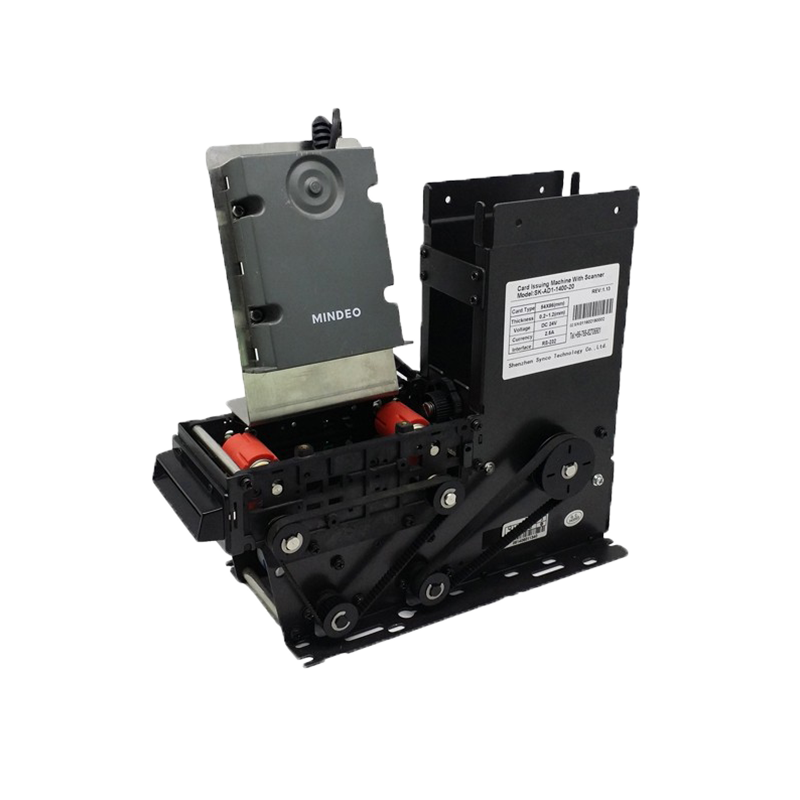
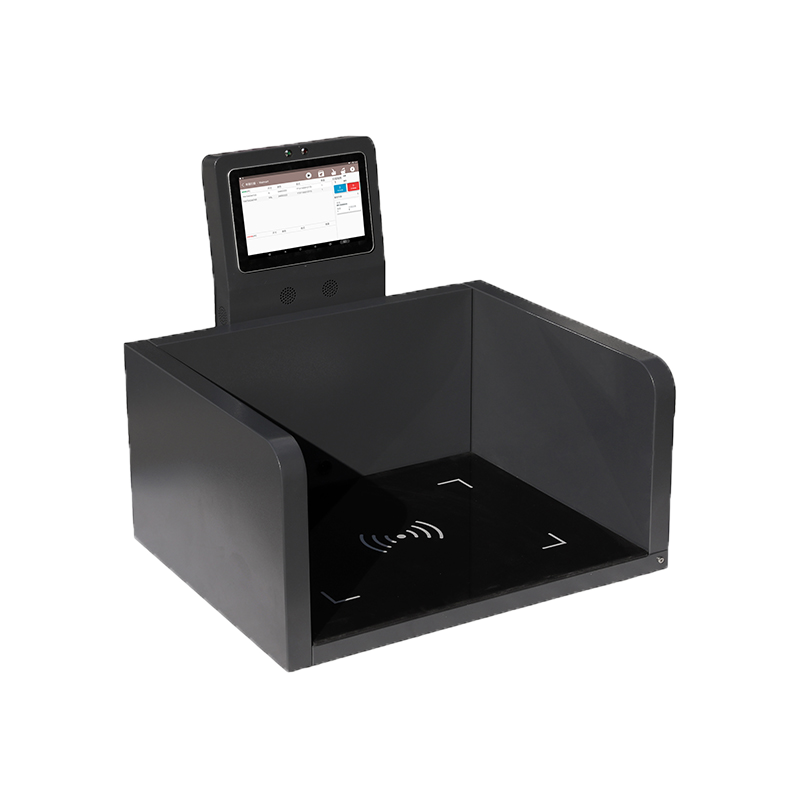
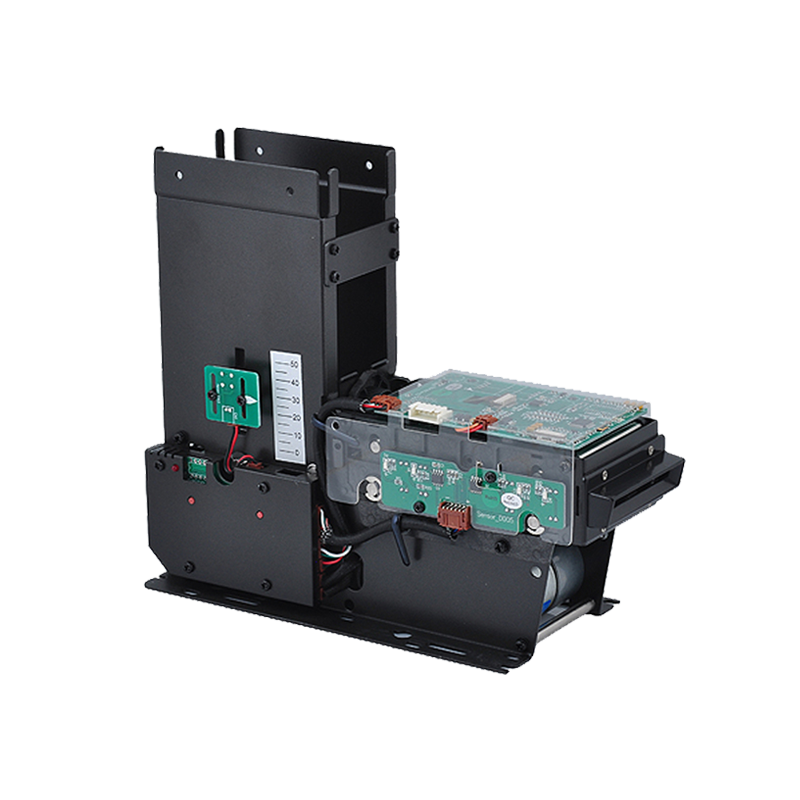
Syncotek’s RFID catalog organizes hardware by solution category—including UHF modules, integrated readers, fixed readers, desktop readers, access gates, handhelds, antennas, and UHF tags.
They also describe broader RFID portfolios (including UHF and 2.4G products and intelligent devices) aimed at complete RFID IoT packages.
NFC is a subset of HF RFID used for short-range “tap” interactions like contactless payments and identity/tap experiences.
Most phones are designed for NFC (13.56 MHz), not UHF item-level RFID. UHF typically requires a dedicated UHF reader.
Most failures come from read-zone design (antenna placement, stray reads, materials) and from treating raw reads as “events” without proper filtering and business logic (where EPCIS-style event modeling helps).
 Knowledge
The RFID system auto-identifies vehicles' weight, calculates net weight, and provides real-time monitoring for optimized efficiency.
READ MORE Knowledge
The RFID system auto-identifies vehicles' weight, calculates net weight, and provides real-time monitoring for optimized efficiency.
READ MORE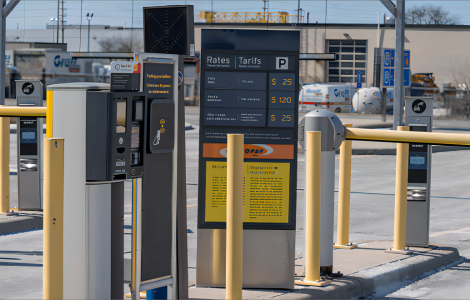 Case Show
Parking System with Syncotek’s Products
READ MORE Company Events
Holiday Notice for Chinese New Year 2024
READ MORE Knowledge
RFID—Radio Frequency Identification—is a wireless technology that identifies objects using radio waves. An RFID system can detect items without line-of-sight, often in bulk, and can automate tracking across warehouses, factories, retail stores, hospitals, and security systems. This guide explains what RFID is, how it works, RFID frequencies (LF/HF/NFC/UHF/RAIN), tags and readers, passive vs active vs […]
READ MOREIf you are interested in our services or need customized solutions, please feel free to contact us.