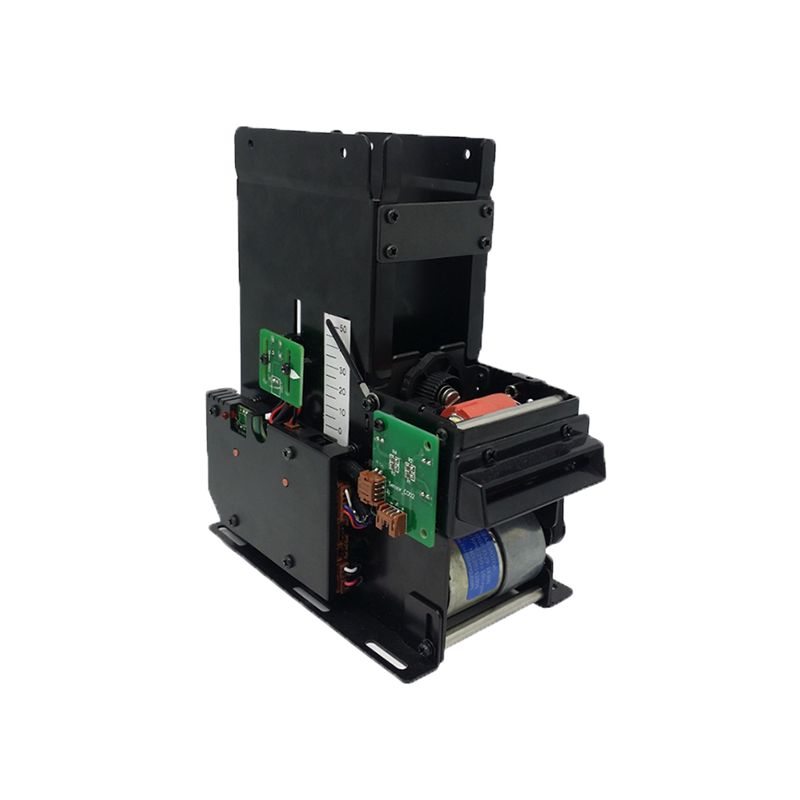
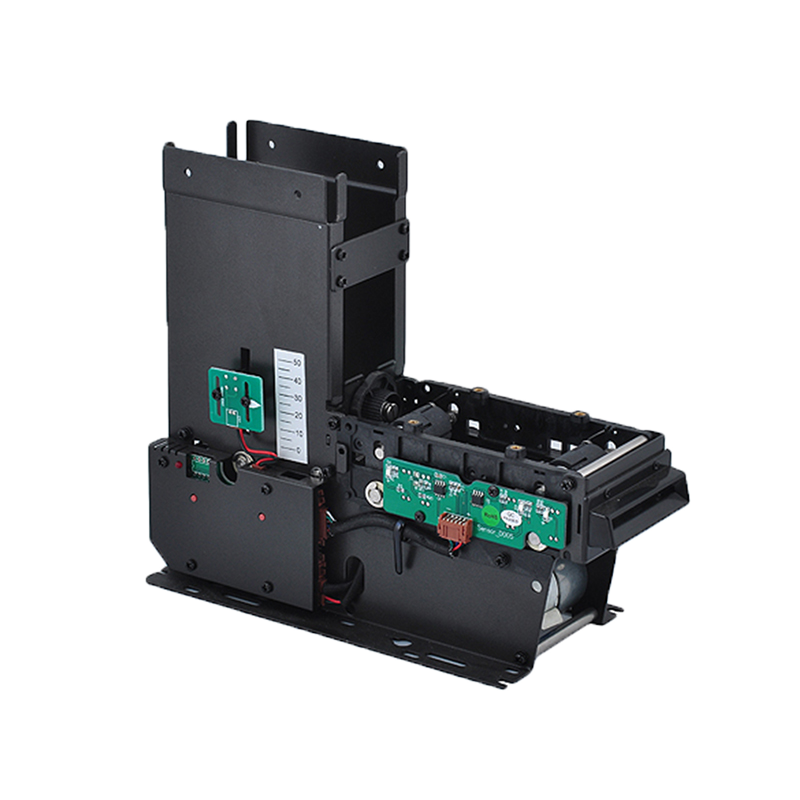
Build an RFID tool management workflow around the way your tools are actually stored and used. Syncotek provides mount-on-metal UHF RFID tags, Android handheld readers, multi-antenna fixed readers, smart tool cabinets and intelligent tool trolleys for manufacturing, maintenance and controlled tool-room applications.
A manufacturing tool room may need fast shift inventory, controlled borrowing and return, mobile search, line-side storage or automatic monitoring at selected points. These requirements lead to different RFID architectures.
Manual counting becomes inefficient when a tool room contains many tagged tools, fixtures and measuring instruments.
Shared tools may be stored in cabinets, work areas, carts or other locations, making exception checks time-consuming.
Controlled tool rooms may need to connect tool movement with a defined user and management workflow.
Standard RFID labels are not normally the right starting point for metal tools. Dedicated on-metal tags should be evaluated.
A cabinet or doorway should identify intended tools without unnecessarily capturing tools from nearby work areas.
A small maintenance room may only need handheld inventory, while a larger plant may use several types of RFID read points.
There is no single RFID tool tracking architecture for every factory. Start with how tools move between storage, users and work areas.
Suitable when operators need flexible mobile inventory rather than permanently installed RFID infrastructure.
Hardware starting point:
SR-RU666 Android UHF handheld
Suitable when tools are stored in a defined cabinet and the project requires controlled cabinet-level inventory.
Hardware starting point:
RUX-TM105B
SR-RUX252 is designed specifically as an RFID tool-management system solution for tagged tools stored in drawers.
Hardware starting point:
SR-RUX252
Fixed readers and external antennas can be used when a system integrator needs a customized read zone at a defined location.
Hardware starting point:
SR-RU471B E710 fixed reader
These products solve different parts of the tool-tracking architecture. They should be selected according to the actual workflow rather than compared as interchangeable devices.
| Product | Role | RFID / Platform | Verified Characteristics | Best-Fit Tool Workflow |
|---|---|---|---|---|
| TUA-PCB | Tool Tag | EPC Gen2 / ISO 18000-6C |
FR4 on-metal; 865–868 / 902–928 MHz; IP65; multiple dimensions from Ø5 mm to 95×25 mm |
Metal hand tools, gauges, fixtures, machinery and equipment |
| SR-RU666 | Handheld |
Android 11; E710 / E510 UHF options |
5.5" display; NFC; optional barcode; IP65; removable battery |
Tool-room audits, mobile inventory, exception handling |
| SR-RU471B | Fixed Reader | Impinj E710 |
4 SMA antenna ports; up to 33 dBm; peak inventory ≥1,000 tags/s; GPIO; serial / RJ45 interfaces |
Custom tool-room read points, entrances, workstations and controlled zones |
| RUX-TM105B | Smart Cabinet |
Impinj R2000; Android 11 |
8 circular antennas; cabinet inventory about 5 s; HF RFID card + face login; permission-based management |
Controlled factory tool cabinets and tool-room storage |
| SR-RUX252 | Tool Trolley |
Impinj R420; Android 5.1.1 |
8 drawers; 400+ tags; 3–5 s inventory; TCP/IP / Wi-Fi / 4G; rechargeable battery |
Line-side tool storage, mobile tool management, daily / monthly checking |
Product configuration should be confirmed for the specific project. RFID performance depends on tag placement, tool material, antenna layout, RF settings and the surrounding environment.
RFID creates the physical identification layer. The final management workflow depends on whether the project uses a standalone intelligent device or connects RFID hardware to the customer's management application.
Most industrial tools contain substantial metal. Standard UHF labels are therefore not the right default choice for many tool-tracking projects.
Syncotek's TUA-PCB family is specifically positioned for tool-management projects and provides many physical dimensions for different mounting spaces.
Inventory and manage shared tools stored in a controlled factory location.
Identify shared repair and maintenance equipment used across the plant.
Use intelligent storage closer to production workstations.
Give inspection and measuring equipment a unique RFID identity.
Track reusable production tooling and other metal assets.
Use handheld or intelligent-device inventory for regular tool checks.
Syncotek intelligent tool devices list aviation among their applications.
Syncotek tool-management products also list railway and electric-power applications.
| Architecture | Best Fit | Data Capture | Infrastructure | Typical Tool-Room Role |
|---|---|---|---|---|
| RFID Handheld | Flexible and changing tool locations | Operator-driven | Lower | Audits, periodic inventory and mobile exception checks |
| RFID Smart Cabinet | Tools stored in a controlled cabinet | Cabinet-level inventory | Dedicated cabinet | Controlled tool storage and cabinet management |
| RFID Tool Trolley | Line-side or mobile tool storage | Trolley inventory | Intelligent mobile storage | Production-side tool management |
| Fixed RFID Reader | Custom controlled read points | Triggered or application-controlled | Reader + antennas + installation | Doorway, zone, workstation or custom equipment |
| Hybrid System | Larger manufacturing operations | Multiple read methods | Higher | Fixed automatic capture plus handheld exception handling |
A tool-tracking pilot should use real tools, real RFID tags and the actual storage environment. This allows tag placement and RFID read zones to be verified before a wider deployment.
Send us your tool types, quantity, materials, storage method, required inventory workflow and software environment. We can help you evaluate the appropriate combination of on-metal tags, handhelds, fixed readers and intelligent devices.
Compare shelf, drawer and compartment-style intelligent cabinets for controlled tool storage.
Smart Cabinet Selection →Select PCB, durable, printable and high-temperature tags for metal tools.
Select Metal Tool Tags →Add mobile tool-room inventory and exception-checking capability.
Handheld Reader Selection →Build customized multi-antenna read points for controlled factory zones.
Fixed Reader Selection →Browse smart cabinets, tool trolleys and other application-specific RFID equipment.
View Intelligent Devices →Read the existing technical guide covering RFID tool-tracking principles and planning.
Read Technical Guide →An RFID tool tracking system uses RFID tags attached to tools together with handheld readers, fixed RFID read points or intelligent storage equipment to identify and inventory tools within a defined workflow.
Yes, but metal tools normally require RFID tags designed specifically for conductive surfaces. Syncotek's TUA-PCB family is an on-metal EPC Gen2 UHF tag family positioned for tool-management applications.
Handheld readers are useful for flexible inventory and mobile checks. Fixed readers are better when a controlled automatic or triggered read point is required. Larger projects may use both.
Selected Syncotek smart-cabinet products include tool-management workflows. RUX-TM105B specifically lists registration, handover, borrowing, return and approval together with permission-based login.
Yes. SR-RUX252 is an eight-drawer RFID intelligent tool trolley designed for tagged-tool management. Its product specifications list 400+ tag reading and a 3–5 second inventory cycle.
Calibration functionality depends on the selected management architecture. SR-RUX252 specifically lists tool-parameter data acquisition and calibration-period reminders among its functions.
SR-RU666 is one available Android 11 UHF RFID handheld platform with E710/E510 options, NFC and optional barcode scanning. Final UHF configuration should be selected according to the project.
A fixed reader with external antennas can be incorporated into a controlled doorway or zone. Antenna placement, RF output and surrounding tools should be tested carefully to prevent unwanted reads.
Passive UHF RFID is normally used to identify tools when they are read by a handheld or defined read point. It should not automatically be treated as a continuous precision-location system.
Yes. Syncotek provides OEM/ODM support for RFID hardware projects. The final architecture should be defined according to the customer's tools, environment, read points and integration requirements.
Tell us what tools you need to manage, how they are stored, which tools are metal, whether you need handheld inventory, fixed read points, smart cabinets or line-side tool trolleys, and how RFID data should connect with your existing workflow.
Discuss Tool Tracking Project Explore Syncotek RFID HardwareIf you are interested in our services or need customized solutions, please feel free to contact us.