
Compact Embedded
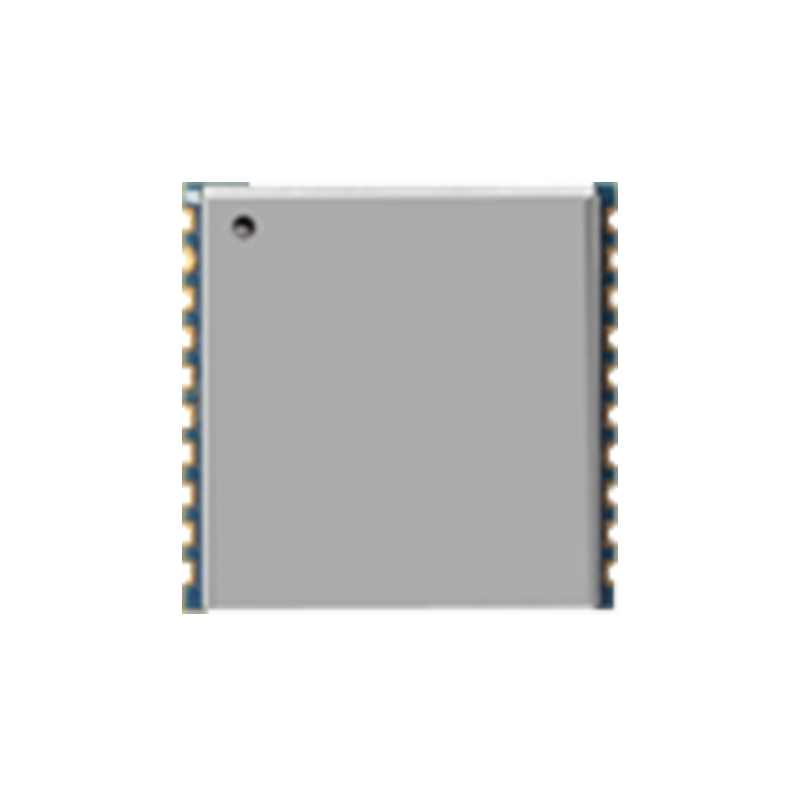
SR-MU931S
Compact UHF RFID module designed for applications where PCB space and power consumption are important.
View SR-MU931S →Integrate UHF RFID directly into handheld terminals, RFID printers, smart cabinets, fixed readers, industrial equipment and custom IoT hardware. Syncotek provides compact and high-performance UHF RFID reader modules covering single-antenna, 4-port, 8-port and 16-port architectures for different OEM integration requirements.
SR-MU931S
 SR-MU961A
 SR-MU961B
 SR-MU961D
For OEM projects, the right RFID module must match the complete hardware architecture. RF output power is important, but antenna quantity, board dimensions, tag population, frequency region, interface, power consumption and the host platform can be equally important.
A battery-powered handheld terminal has very different size and power requirements from an RFID printer, warehouse portal or multi-zone smart cabinet.
One RF port may be sufficient for compact equipment, while cabinets, shelves and industrial reading zones may require 4, 8 or 16 antenna connections.
RF power alone does not define actual read range. Antenna gain, tag sensitivity, cable loss, polarization and the installation environment directly influence final system performance.
The reader module must match the target sales and deployment region. Common configurations include European and North American UHF RFID frequency bands.
Communication interfaces, SDK availability and integration methods directly affect PCB design, firmware development and project implementation time.
Prototype testing should use the intended module, antenna, RF cable, tag, enclosure and installation environment rather than relying only on laboratory distance specifications.
Use this comparison as an initial OEM selection guide. Final selection should consider target frequency, antenna configuration, enclosure, host platform, tag type and real installation conditions.
| Model | Positioning | Antenna | Max RF Output | Frequency | Reference Range* | Typical OEM Direction |
|---|---|---|---|---|---|---|
| SR-MU931S | Compact / low-power embedded module | External antenna | Up to 27 dBm | 865–868 / 902–928 MHz | Up to 6 m* | Handheld, desktop and compact mobile equipment |
| SR-MU921AS | Cost-effective long-range module | 1 × SMA | 30 dBm | 840–960 MHz options | >25 m* | Long-range terminals and custom RFID readers |
| SR-MU922B | Long-range multi-antenna module | 4 × SMA | 30 dBm | 840–960 MHz options | >25 m* | Industrial equipment and multi-zone readers |
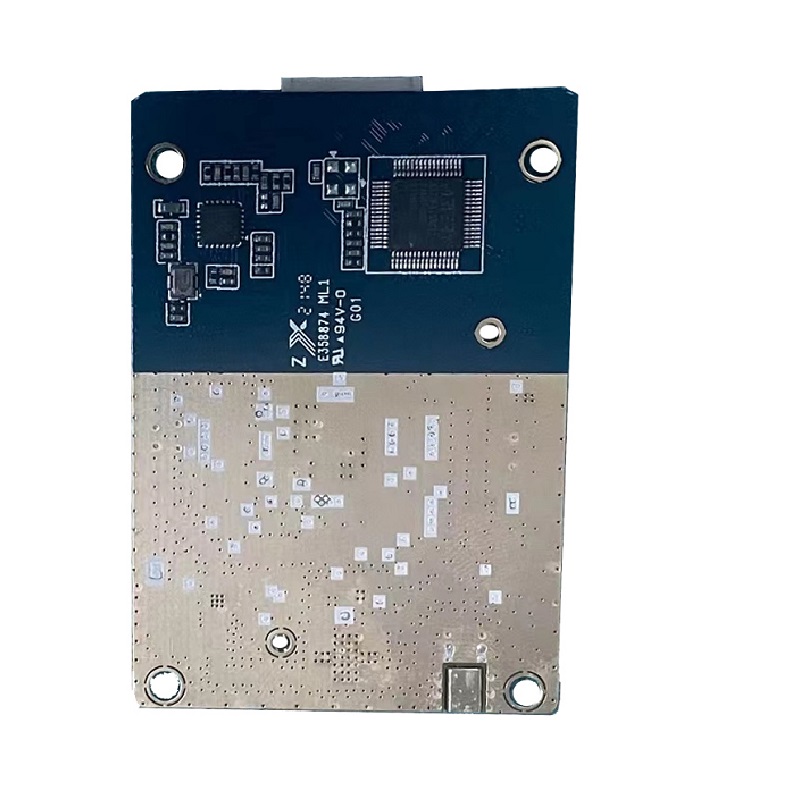
| SR-MU961A | Compact high-power embedded module | 1 RF port | Up to 33 dBm | ETSI / GB / FCC options | Up to 15 m* | RFID printers, terminals and custom readers |
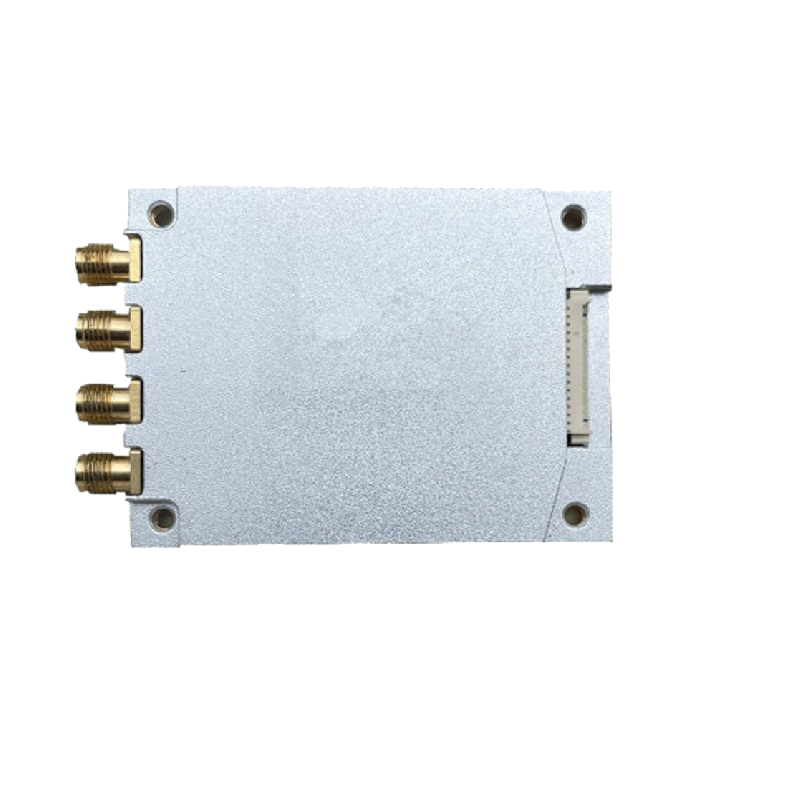
| SR-MU961B | 4-port high-power module | 4 × SMA | Up to 33 dBm | ETSI / GB / FCC options | Up to 15 m* | Smart cabinets, gates and multi-antenna systems |
| SR-MU961C | 8-port high-performance module | 8 × SMA | Up to 33 dBm | ETSI / GB / FCC options | Up to 15 m* | Smart shelves and large RFID cabinets |
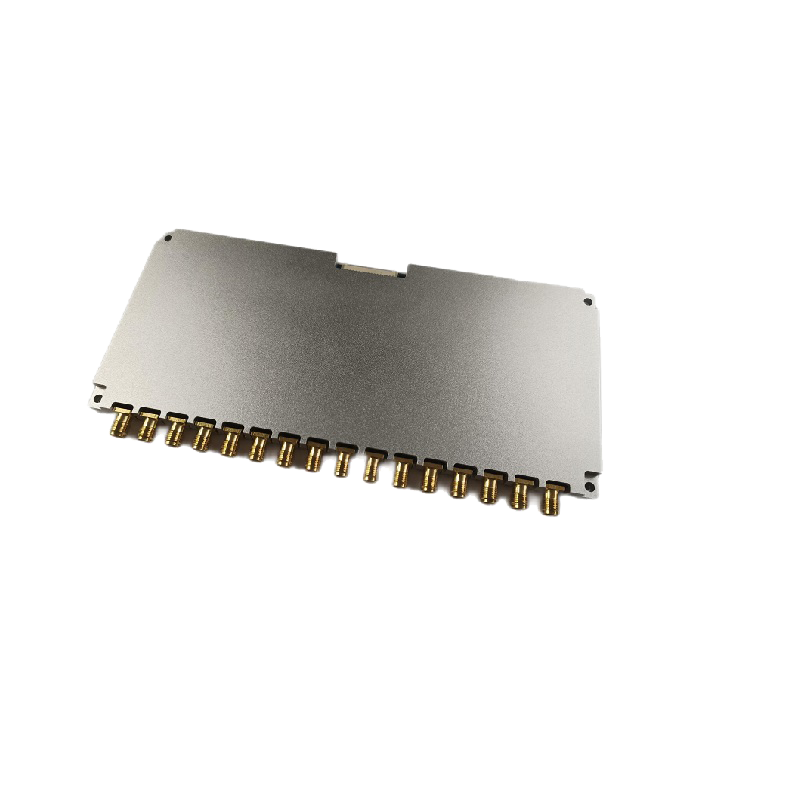
| SR-MU961D | 16-port high-performance module | 16 × SMA | Up to 33 dBm | ETSI / GB / FCC options | Up to 15 m* | Dense antenna networks and multi-zone equipment |
| SR-MU951A / SR-MU971A | High-speed Impinj platform | 1 × MMCX | Up to 33 dBm | 865–868 / 902–928 MHz | Up to 10 m* | High-speed embedded RFID equipment |
| SR-MU951D / SR-MU971D | High-speed 16-port Impinj platform | 16 antenna ports | Up to 33 dBm | 865–868 / 902–928 MHz | Up to 10 m* | High-density cabinet and multi-zone systems |
*Read-distance values are reference results published for corresponding module configurations. Actual performance depends on antenna gain and polarization, RFID tag sensitivity, cable loss, installation, surrounding materials and RF interference.
Different RFID products require different module architectures. Syncotek provides compact single-antenna modules together with 4-port, 8-port and 16-port options for equipment that needs multiple controlled RFID zones.
Compact UHF RFID module designed for applications where PCB space and power consumption are important.
View SR-MU931S →
High-power embedded module suitable for OEM RFID printers, terminals and customized reader hardware.
View SR-MU961A →
Four-port architecture for equipment requiring several controlled antenna zones from one RFID reader platform.
View SR-MU961B →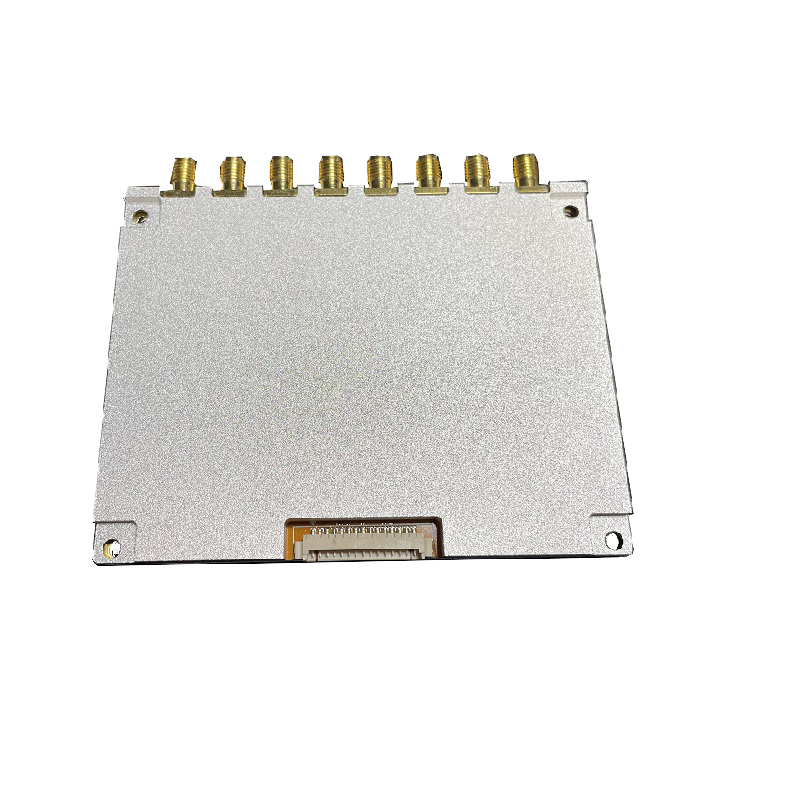
Eight-port UHF RFID architecture for systems with multiple shelves, compartments or independent RFID reading zones.
View SR-MU961C →
Sixteen-port RFID module for equipment requiring a large distributed antenna network from a single embedded reader architecture.
View SR-MU961D →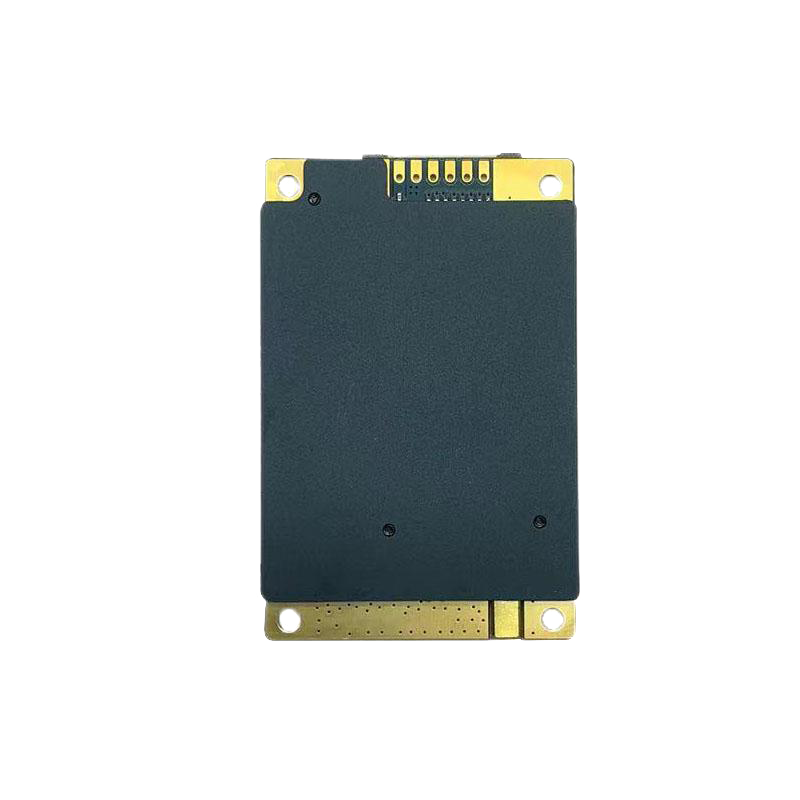
High-performance Impinj E510 and E710 based module family for applications where inventory speed and RF sensitivity are important.
View SR-MU951A / SR-MU971A →Start with the physical RFID architecture. Antenna quantity, available PCB space and required tag processing performance quickly narrow the module choices.
Prioritize module size, low power consumption and simple embedded integration.
Recommended starting point: SR-MU931S
Suitable for fixed terminals, RFID printers and general-purpose embedded reader development.
Recommended starting point: SR-MU961A
Four RF ports allow several antenna positions to operate from one embedded RFID platform.
Eight antenna connections simplify RFID coverage across multiple shelves or compartments.
Recommended starting point: SR-MU961C
Designed for systems where one RFID processing platform must manage many individual reading zones.
Recommended starting point: SR-MU961D
Suitable when tag population, sensitivity and inventory throughput are key engineering factors.
Recommended starting point: SR-MU951A / SR-MU971A
Send us your target frequency, antenna quantity, host interface, tag type, operating environment and expected read range. We can help narrow the module selection before prototype development.
The RFID reader module is only one part of a reliable OEM system. Antenna design, RF cable routing, power supply, enclosure materials, communication interfaces, firmware and application software all affect the final result.
Syncotek supports RFID OEM and ODM projects from board-level module integration through customized RFID hardware and complete system development.
Board-level reader modules allow manufacturers to make RFID part of the product itself instead of installing a separate external RFID reader.
Add UHF RFID inventory capability to industrial PDAs, Android terminals and mobile computers.
Integrate RFID encoding and tag verification directly into label printing equipment.
Use multi-port modules to manage antennas in separate shelves and controlled storage zones.
Add automated RFID identification to portals, conveyor systems and logistics equipment.
Identify materials, components and workpieces automatically across production stations.
Build smart shelves, inventory workstations and rapid stock-counting equipment.
Combine RFID reader modules, antennas and on-metal tags for automated tool management.
Integrate RFID into circulation workstations, inventory terminals and intelligent storage.
Add UHF RFID identification to gateways, industrial devices and connected hardware.
Module specifications provide an important starting point, but real RFID performance is determined by the entire RF system and installation environment.
Higher RF output can increase available RF energy, but excessive power may also create unwanted reads. Power should be optimized for the intended zone.
Antenna gain, beam width, direction and polarization determine how RF energy is distributed around the reading area.
Standard labels, compact industrial tags and on-metal tags can behave very differently with exactly the same reader module.
Cable length, cable quality and connectors reduce the RF energy reaching the antenna and influence received backscatter signals.
Metal, liquids, machinery and reflective surfaces can change the RF field and create both dead zones and unwanted reading areas.
Dense tag environments also depend on reader silicon, anti-collision algorithms, inventory settings and application filtering.
A UHF RFID reader module provides the RF and digital processing functions required to communicate with UHF RFID tags. OEM manufacturers integrate the module with their own controller, enclosure, antennas, power system and application software.
A reader module is normally preferred when RFID must become part of your own product, such as a handheld, printer, cabinet, terminal or industrial device. A finished reader is more suitable when a ready-to-use standalone unit is required.
Compact equipment may need only one antenna. Four-port modules are suitable for several controlled RFID zones, while 8-port and 16-port modules are useful for larger cabinets, shelves and multi-zone systems.
No. RF output is only one variable. Antenna gain, RFID tag sensitivity, polarization, cable loss, installation materials and RF interference can have a major impact on actual read range.
The main consideration is usually the number of shelves or independent antenna zones. SR-MU961B provides four antenna ports, while SR-MU961C and SR-MU961D provide eight and sixteen ports for larger cabinet designs.
SR-MU931S is designed around a compact embedded architecture and can be considered for handheld and mobile RFID devices where board space is limited.
The module families shown on this page support EPC Class 1 Gen 2 / ISO 18000-6C according to their corresponding product specifications.
Yes. Syncotek supports RFID product development from reader module integration and board-level customization through complete hardware system integration.
Tell us your device type, antenna quantity, target read range, RFID tag, host interface, operating region and application environment. Syncotek can help identify an appropriate module for your prototype and OEM hardware design.
Request Module Recommendation Explore RFID ProductsIf you are interested in our services or need customized solutions, please feel free to contact us.