

These three GS1/EPCglobal standards cover different layers of an RFID solution:
A helpful mental model is:
LLRP = control readers → ALE = filter/shape reads → EPCIS = share business events
GS1’s architecture discussions describe that when ALE and LLRP are used together, there’s typically a layer of software between them (often described as “filtering and collection”).
This also matches real-world guidance that RFID middleware sits between readers and enterprise apps, filtering duplicates and turning raw data into actionable events.
LLRP defines a standardized way for software (“client”) to configure and control RFID readers and receive tag reports. GS1 describes it as “low level” because it provides very fine control over a reader’s operation.
LLRP is most useful when you need:
A well-cited enterprise integration paper notes LLRP and ALE have different concepts: LLRP exposes more low-level radio/air protocol settings, while ALE abstracts away many low-level parameters and focuses on delivering filtered results.
Practical implication: LLRP helps you “drive the reader.” ALE helps you “consume cleaned data.”
ALE specifies an interface through which clients can obtain filtered, consolidated data capture information from RFID sources.
RFID readers can produce:
ALE standardizes the idea that applications should ask for meaningful capture results, not raw reads.
You don’t have to implement ALE literally to follow ALE principles—but the concepts map directly to good RFID middleware design.
GS1 defines EPCIS as a traceability event messaging standard enabling supply chain visibility through sharing event data in a common language.
EPCIS is designed to represent “visibility events”—what happened to an object, where, when, and why.
GS1’s EPCIS & CBV guidance references common EPCIS event types such as:
(Depending on EPCIS 2.0 modeling, you may also see additional event modeling patterns discussed in GS1 ecosystems; keep your implementation aligned to the version and guideline you’re targeting.)
GS1’s EPCIS 2.0 launch materials position EPCIS 2.0 as more web-compatible / IoT-ready.
| Standard | Layer | Primary job | Output you get | Best for |
|---|---|---|---|---|
| LLRP | Reader control | Configure/readers + inventory/access ops | Tag reports + reader status | Building reader control apps, low-level tuning |
| ALE | Capture abstraction | Filter + consolidate capture data | Cleaned “reports” / event-like outputs | Middleware/edge filtering and dedupe |
| EPCIS | Enterprise sharing | Standard business events & traceability | EPCIS events (Object/Aggregation/…) | Cross-system/cross-company visibility |
This is common when readers expose solid SDKs and multi-protocol options.
This pattern aligns with GS1’s description that a software layer often sits between LLRP and ALE.
If your physical zone is “leaky,” software will struggle.
Do not store every raw read as a “record.”
Store events (EPCIS) or filtered results (ALE-style), then keep evidence/diagnostics separately.
Example knobs:
If your data must be understood by partners, auditors, or multiple internal systems, EPCIS gives you a standard event language.
Choose LLRP if:
Choose ALE (or ALE-like middleware) if:
Choose EPCIS if:
In many real systems, you use EPCIS for the top layer, and either LLRP or vendor SDK plus ALE-like filtering underneath.
If you’re developing RFID software, hardware integration matters (protocols, SDKs, OS/language support).
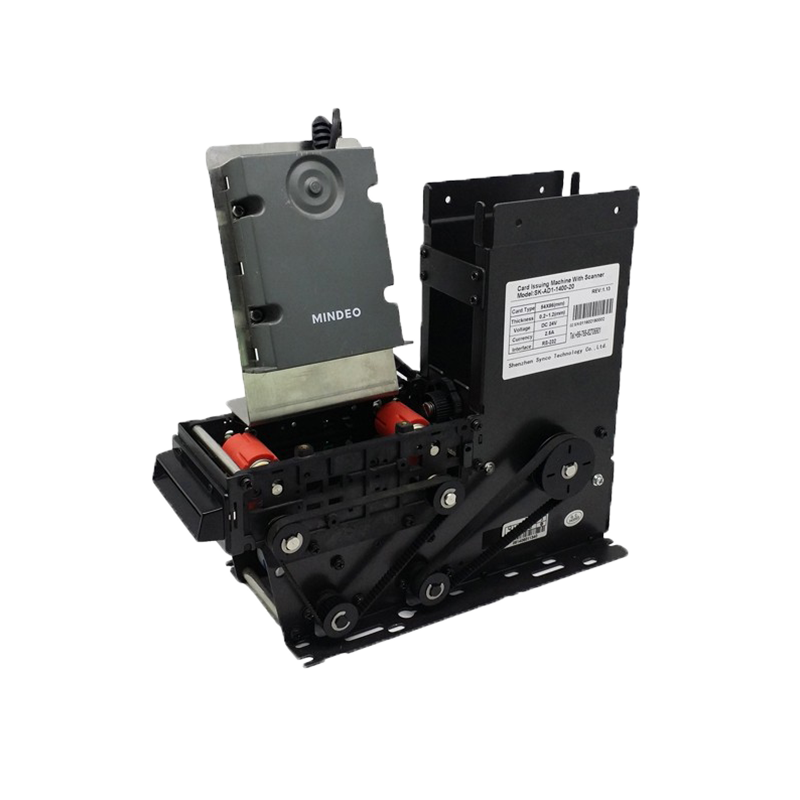
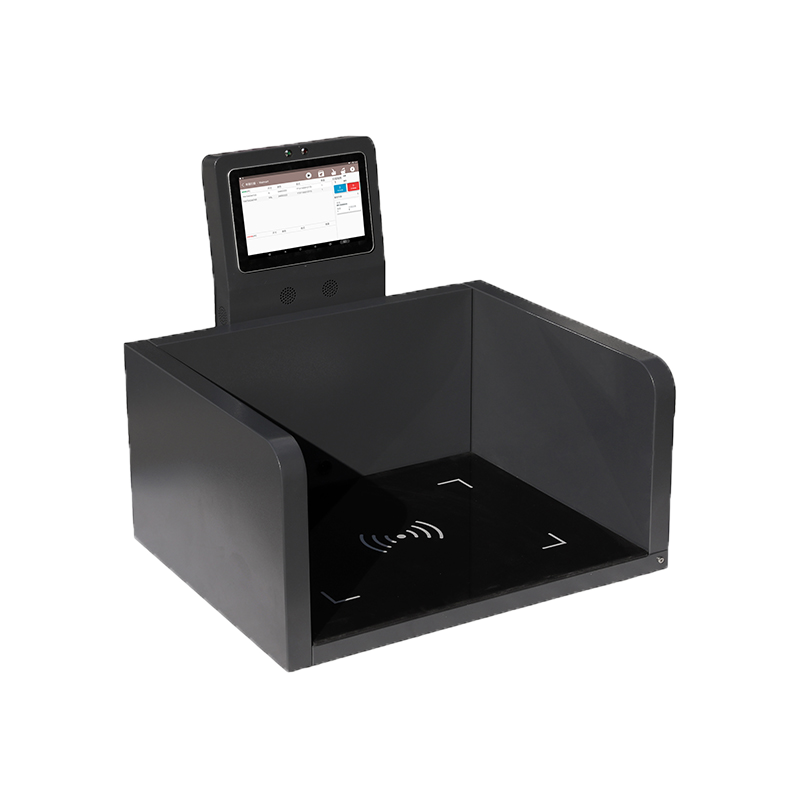
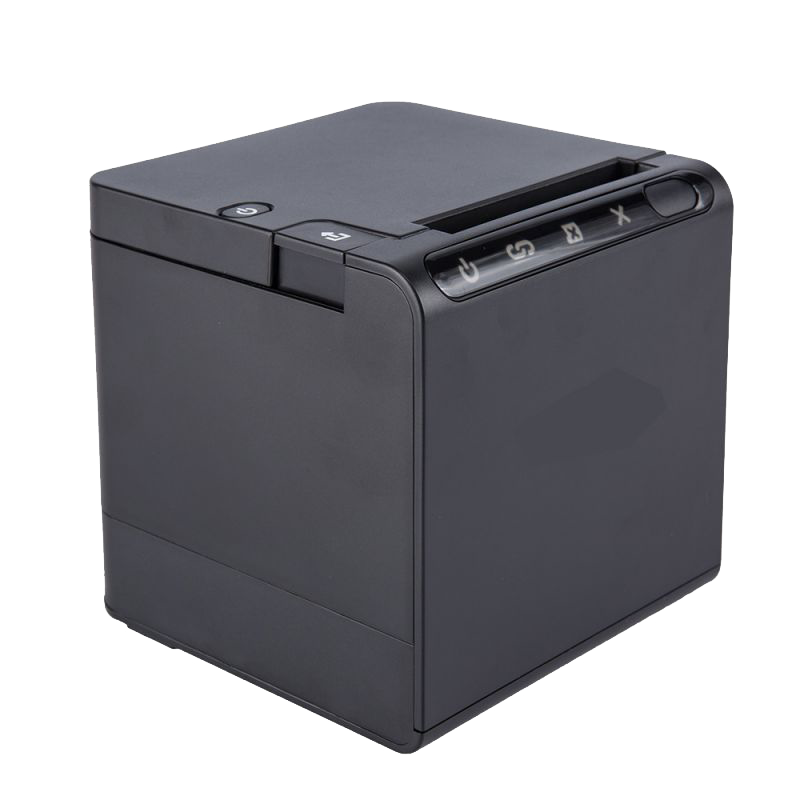
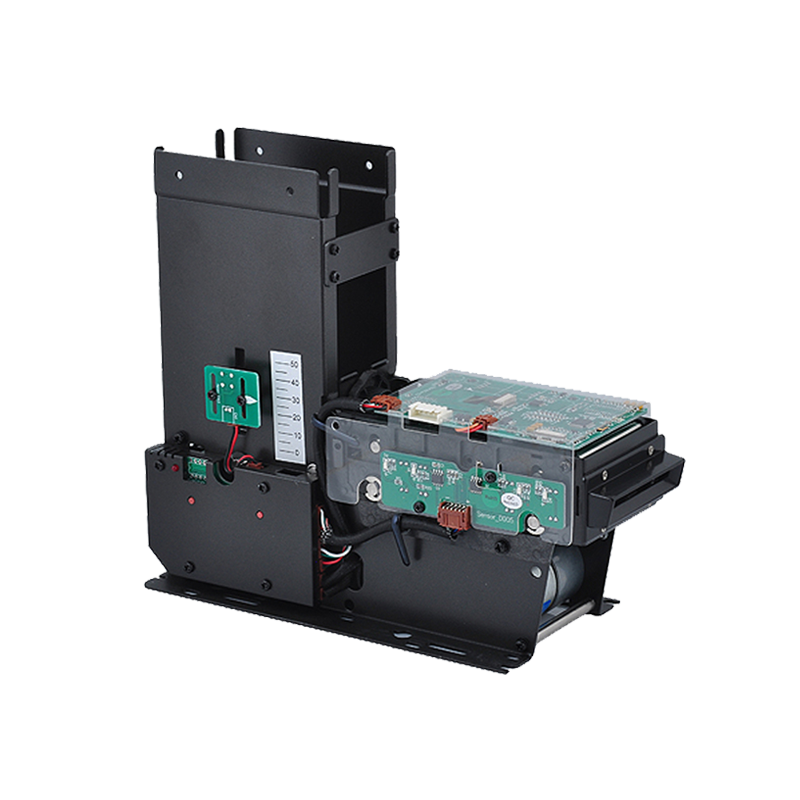
Syncotek product documentation highlights:
This makes it easier to implement either direct device integration (SDK/protocol) or to wrap devices into a middleware stack that can output EPCIS events upstream.
No. RFID is the capture technology; EPCIS is the event data standard used to represent and share what happened in the supply chain.
EPCIS is about business events; you still need a way to filter and convert raw reads into those events. ALE is one standardized approach to that filtering/consolidation layer.
You can control readers and collect tag reports using LLRP, but you’ll still need logic to filter reads and map them into business events (often ALE-like processing) and (optionally) represent them in EPCIS for interoperability.
 Knowledge
What does OEM mean? OEM most commonly stands for Original Equipment Manufacturer. In business and manufacturing, an OEM is a company that makes a component, subsystem, or product that another company sells (often under its own brand)—or incorporates into a finished product sold to end customers. The key idea OEM describes a role in the supply chain: OEM (maker) → […]
READ MORE Knowledge
Choosing an RFID tag should not begin with a catalog, chip model, or maximum advertised read distance. It should begin with the physical object and the workflow. The right RFID tag for a cardboard carton may fail when attached to a metal tool. A tag that performs well with a fixed reader and high-gain antenna […]
READ MORE Knowledge
What is a handheld barcode scanner? A handheld barcode scanner (also called a barcode reader) is an optical device that reads printed (or on-screen) barcodes and sends the decoded data to a computer, POS system, mobile device, or industrial controller. Typical scanners include a light source, optics/sensor, and decoder circuitry to interpret the barcode pattern and output the […]
READ MORE Knowledge
RAIN RFID systems have been built around EPC UHF Gen2 for many years, but today's deployments are becoming more demanding. Modern applications may need to identify: hundreds of items moving through a dock door small RFID tags attached to difficult products densely packed inventory items containing metal or liquids specific tag populations without inventorying everything […]
READ MORE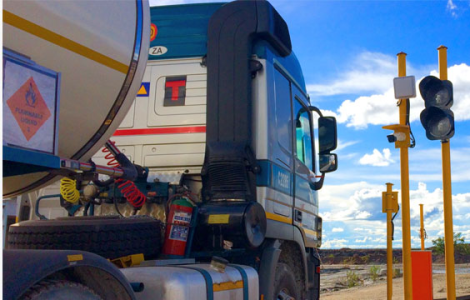 Case Show
The RFID system auto-identifies vehicles' weight, calculates net weight, and provides real-time monitoring for optimized efficiency.
READ MOREIf you are interested in our services or need customized solutions, please feel free to contact us.